ctDNA, tissue testing, and imaging are sometimes presented as competing approaches in oncology. In practice, each is built to answer a different clinical question, and understanding those differences, rather than ranking the tools against each other, is what allows them to be used well together.
In modern oncology, the relevant question is rarely which single test is best. It is which combination of tests answers the question in front of the clinician at that moment. Tissue testing, sometimes called tissue biopsy, remains the only method that provides direct histomorphologic diagnosis, tumour grade, and protein-level markers obtained through immunohistochemistry.
Circulating tumour DNA, often called liquid biopsy and collected through a simple blood draw, offers a minimally invasive window into the genomic profile of the tumour and can be repeated serially to track molecular change over time. Imaging answers a different question again: where the disease is located, how extensive it is, and how that anatomic burden is changing. None of the three can substitute for what the others are designed to detect. A tissue sample cannot show whether a lesion outside the biopsied site harbours a resistance mutation. ctDNA cannot confirm histologic subtype or substitute for tumour grading performed by a pathologist. Imaging cannot identify a targetable molecular alteration. Treating any one of them as sufficient on its own narrows the clinical picture rather than sharpening it.
Major oncology bodies have converged on this complementary framing. Updated NCCN guidance for non-small cell lung cancer* recommends broad-based testing using combinations of tissue and plasma testing, run concurrently where possible, with retesting via a complementary method if initial results are negative or inconclusive. The International Association for the Study of Lung Cancer* has described liquid biopsy as the preferred approach in some clinical settings, while remaining complementary to tissue testing in others. Neither position treats one modality as a wholesale replacement for another; the practical task for clinicians is matching the right tool, or combination of tools, to the specific question at hand.
Continue reading to explore how each tool answers a different question, where their blind spots lie, and how they work together across the patient journey:
What Each Tool Is Built to Answer
Tissue Testing: Defining Tumour Biology
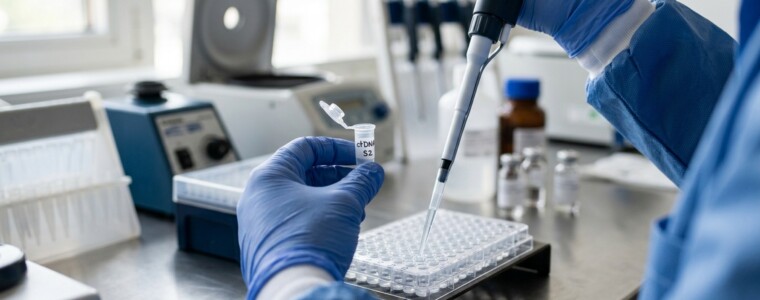
Tissue testing answers the question of what the tumour actually is at a cellular and molecular level. Histopathological examination establishes diagnosis, subtype, and grade, while immunohistochemistry identifies protein-level markers that guide treatment selection. For patients with advanced cancer, treatment decisions guided by genomic profiling have traditionally been built on tissue, and despite the rise of blood-based testing, tissue-derived profiling still anchors that decision-making at most centres*, remaining the only method that captures tumour architecture directly. Companion diagnostic assays tied to specific approved therapies are also generally validated on tissue, which keeps tissue testing central to treatment selection even as other tools expand.
Circulating Tumour DNA (Liquid Biopsy): Tracking the Molecular Signal Over Time
ctDNA answers a related but distinct question: what mutations are detectable in the blood right now, and how is that molecular signal changing. An expert working group convened by ESMO* reviewed the evidence base for these assays and concluded that, once their limitations are understood, well-validated and sufficiently sensitive ctDNA tests can reliably identify alterations suitable for targeted treatment and have a place in everyday clinical use. Because liquid biopsy requires only a blood draw, it can be repeated serially in a way that tissue sampling cannot, making it well suited to genotyping when rapid results are needed or when tissue is unavailable or unsafe to obtain.
Imaging: Mapping Location, Extent, and Anatomic Change
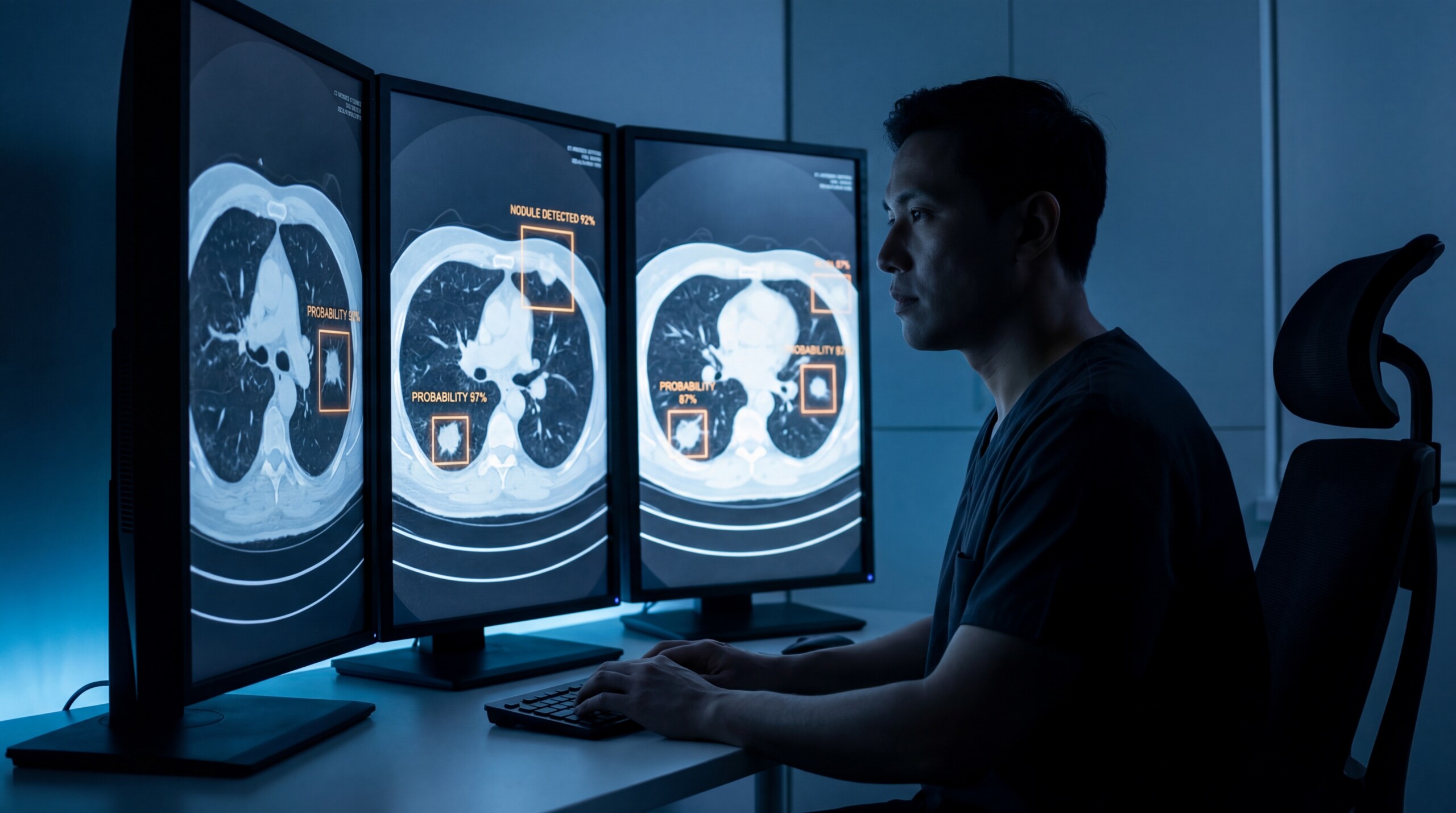
Imaging answers a question that neither tissue nor ctDNA is designed to address: where the disease is, how extensive it is, and how its anatomic burden is responding to treatment. Computed tomography, magnetic resonance imaging, and positron emission tomography remain the basis for staging, surgical and radiotherapy planning, and standardised response assessment. The framework most oncology teams rely on to judge treatment response, Response Evaluation Criteria in Solid Tumours (RECIST)*, depends entirely on this anatomic information, and imaging also identifies which lesion is most accessible and representative for biopsy, a role neither of the other two tools can perform.
Where the Tools Diverge: Strengths and Blind Spots
Sampling Bias in Tissue
Tissue testing is constrained by the sample it is given. A single core biopsy reflects one site at one point in time, and because tumours vary genetically from one region to another and continue to change as they evolve, that one sample can easily miss molecular features present elsewhere in the tumour or at other metastatic sites*. Repeat biopsies to address this are often invasive, costly, and not always feasible, particularly when disease is spread across multiple anatomic compartments.
The Blood-Brain Barrier Blind Spot for ctDNA
ctDNA has its own structural limitation: the blood-brain barrier restricts the release of tumour-derived DNA into systemic circulation, so plasma ctDNA testing is comparatively insensitive for disease confined to the central nervous system. In glioma specifically, plasma ctDNA testing returns a positive result in only a small minority of patients*, so a negative blood draw cannot be taken as reassurance that intracranial disease is absent. For any patient with suspected central nervous system involvement, imaging remains the necessary tool regardless of what plasma ctDNA shows.
The Limits of Anatomic Response Criteria
The blind spot for imaging lies in what anatomic size change can and cannot tell you. Because RECIST tracks dimensional change alone, it was not built to register the functional or metabolic shifts that molecularly targeted agents and immunotherapy can produce well before, or even without, a measurable drop in tumour size*. Cytostatic agents that are biologically effective may not shrink a tumour on schedule, and new lesions appearing during immunotherapy can reflect transient inflammatory change rather than true progression, a distinction anatomic imaging alone is not designed to make.

Working Together Across the Patient Journey
At Diagnosis and Initial Genotyping
At diagnosis, the most efficient strategy is rarely sequential testing but concurrent use of tissue and plasma. Guideline bodies now favour ordering tissue and plasma panels side by side rather than waiting on one before trying the other*, and switching to the alternative method if either comes back negative or technically unsuccessful. Imaging contributes the staging information that determines what level of molecular testing is indicated in the first place, and identifies the lesion best suited for biopsy.
During Treatment: Detecting Resistance Early
Once treatment begins, ctDNA can flag an emerging resistance mutation before a lesion has grown enough to be visible on a scan, offering an early signal that something is changing at the molecular level. That signal still needs anatomic confirmation. A rising ctDNA level should prompt imaging to establish whether a measurable lesion corresponds to it before a treatment change is made, and in some cases a repeat tissue sample is needed to identify histologic transformation, such as small-cell transformation in EGFR-mutant lung cancer, that blood-based testing alone cannot detect.
After Curative-Intent Therapy: Surveillance and Molecular Residual Disease
After surgery with curative intent, ctDNA detection can precede imaging-confirmed recurrence by a considerable margin. Trials such as DYNAMIC in stage II colon cancer have shown that ctDNA status after surgery is associated with recurrence risk and have used ctDNA to guide adjuvant chemotherapy decisions, and ongoing prospective studies continue to define the role of ctDNA-based molecular residual disease testing across solid tumour types*. Outside these trial settings, this remains an evolving application rather than a uniform standard, and imaging is still required to localise and confirm any signal before further intervention is planned.
A Practical Framework for Multidisciplinary Teams
Balancing liquid biopsy and tissue testing in oncology, alongside imaging, is less about choosing a winner and more about sequencing the right tool to the right question. Reviews comparing liquid biopsy and tissue biopsy consistently reach the same conclusion: each brings strengths the other lacks*, and a strategy that draws on all three together captures more of the clinical picture than reliance on any single one. Framing each test by the specific question it is meant to answer before ordering it, rather than by habit or convenience, helps tumour boards avoid redundant testing and reduces the risk of a genuinely informative result being overlooked.
What does that decision-making process look like in your own practice, particularly when results from these tools point in different directions? Share your experience in the comments below. If you would like to continue contributing physician perspectives on questions like this one, the Oncology Focus community at M3 Global Research welcomes your input.
When tissue testing, ctDNA, and imaging point in different directions, what guides your next clinical decision? Share your perspective in the comments below.
If you are not yet registered with M3 Global Research, register here to access healthcare market research studies matched to your specialty and professional profile.